
Better to Fall Into Hell than Use the Dharma to Curry Favor
Humans are emotional creatures — what Buddhism calls “sentient beings.” Even as we practice the Dharma, we remain ordinary beings driven by emotions, caught between our feelings and the Buddhist teachings. More often than not, emotions win. Life after life, this cycle of suffering keeps us bound to the wheel of samsara.
The question is - should our emotions yield to the Dharma, or should the Dharma bend to our emotions? Everyone would say emotions should surrender. Yet in practice — in our actions, in the depths of our hearts — nearly all of us expect the Dharma to follow our feelings instead.
Take someone who has practiced the Dharma path devotedly for many years. When serious illness strikes or a car accident befalls them, they begin to doubt the law of cause and effect. They struggle to accept what has happened with equanimity. They are resentful and ask: “Why, after so many years of practice, should this happen to me?”
Or consider when we are wronged or bullied. Our first instinct is to argue, seek justice, even file a lawsuit. Indignation flares; self-righteousness swells. How rarely do we bow our heads in humility and admit: “This is what I deserve from my past misdeeds. I should accept it without any complaints.”
We may vow to honor and follow a good spiritual teacher. But the moment that teacher’s words are not pleasing to our ears, we decide that the teacher is wrong, the teacher is nothing special, or the teacher lacks compassion. So who, then, is the real spiritual teacher? “I” am. The only true teacher is me. We become the teacher’s teacher – judging and grading them not by the Dharma, but by our own preferences.
Making our emotions truly bow to the Dharma is no easy task. Our nature is deeply stubborn, unyielding and ignorant, as we always think we know best. And, pitifully, the more ignorant we are, the more arrogant we become.
Emotions are the “self.” And the self cries out: “I must not die. I absolutely must not die. Let the Dharma die if it must — but I must not die.” That is our true inner voice. Yet we dare not admit it, so we pretend. We put on the mask of a good Buddhist disciple. But how can an ignorant, deluded being ever truly become one, unless the “self” dies?
The Dharma is absolutely not a weak, spineless thing that panders to the world. It demands the death of the “self”. Only then can it bestow new life. Those who truly attain the Dharma are those who have died and been reborn. How could anyone who has never died possibly possess the Dharma? Light and darkness cannot coexist. Truth and falsehood cannot share the same ground.
Once we become one with the Dharma – once the ‘self’ has died and been reborn – we discover something remarkable: our minds become lucid, and the emotions, spirit, and will that once tormented us are tamed. They are transformed into powerful allies in our Dharma practice.
Few spiritual teachers today can resist pandering to their disciples. If they are not “compassionate” enough to validate the students’ ego, or water down the teachings to make them feel good, the students simply walk away. These teachers defend themselves by calling it “skillful guidance” or “adapting to the capacity of sentient beings.” Perhaps.
But the ancients said: “Better that this old monk fall into hell than use the Dharma to curry favor with anyone.” What magnificent words! If asked to choose, I shall follow their lead.
(Translated by the Pure Land School Translation Team;
edited by Householder Fojin)
Master Huijing
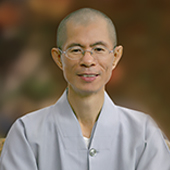
Master Jingzong
Guiding Principles
Faith in, and acceptance of, Amitabha’s deliverance
Single-minded recitation of Amitabha’s name
Aspiration to rebirth in Amitabha’s Pure Land
Comprehensive deliverance of all sentient beings